Category

Supplements

LET’S COMPARE ENERGY GELS

By Food for thought, Hydration, Movement, Supplements No Comments

written in partnership with Jade Mottley from The Everyday Nutritionist

As Nutritionists we always believe in food first.
However, there are cases when supplementing with things like an energy gel are beneficial.
Energy gels are handy portable forms of carbohydrates and can often include addition sources of electrolytes and caffeine
Generally they can be beneficial to exercise lasting over an hour e.g long distance hikes
If you are taking part in endurance sports e.g running or cycling they can be beneficial as a mid-race fuel

However all energy gels are not created equal, so whether you are chasing a new PB or testing some for the first time, here’s some key things to be aware of:

Carbohydrate content 
Calorie content 
Caffeine content 
Texture and flavour 
Absorption and GI tolerance
Packing and ease of opening whilst exercising 
Dietary requirements
Cost per gel or pack 

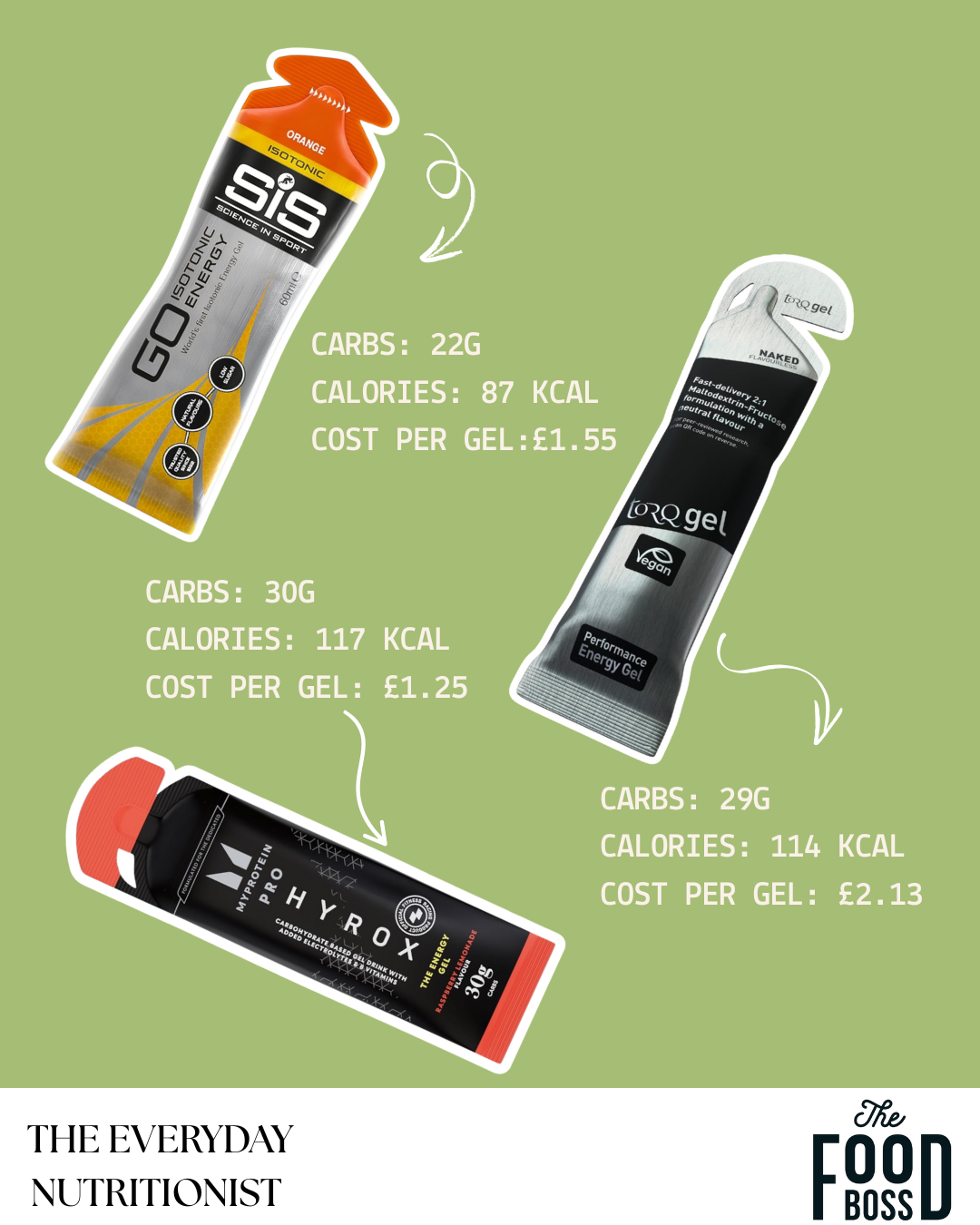
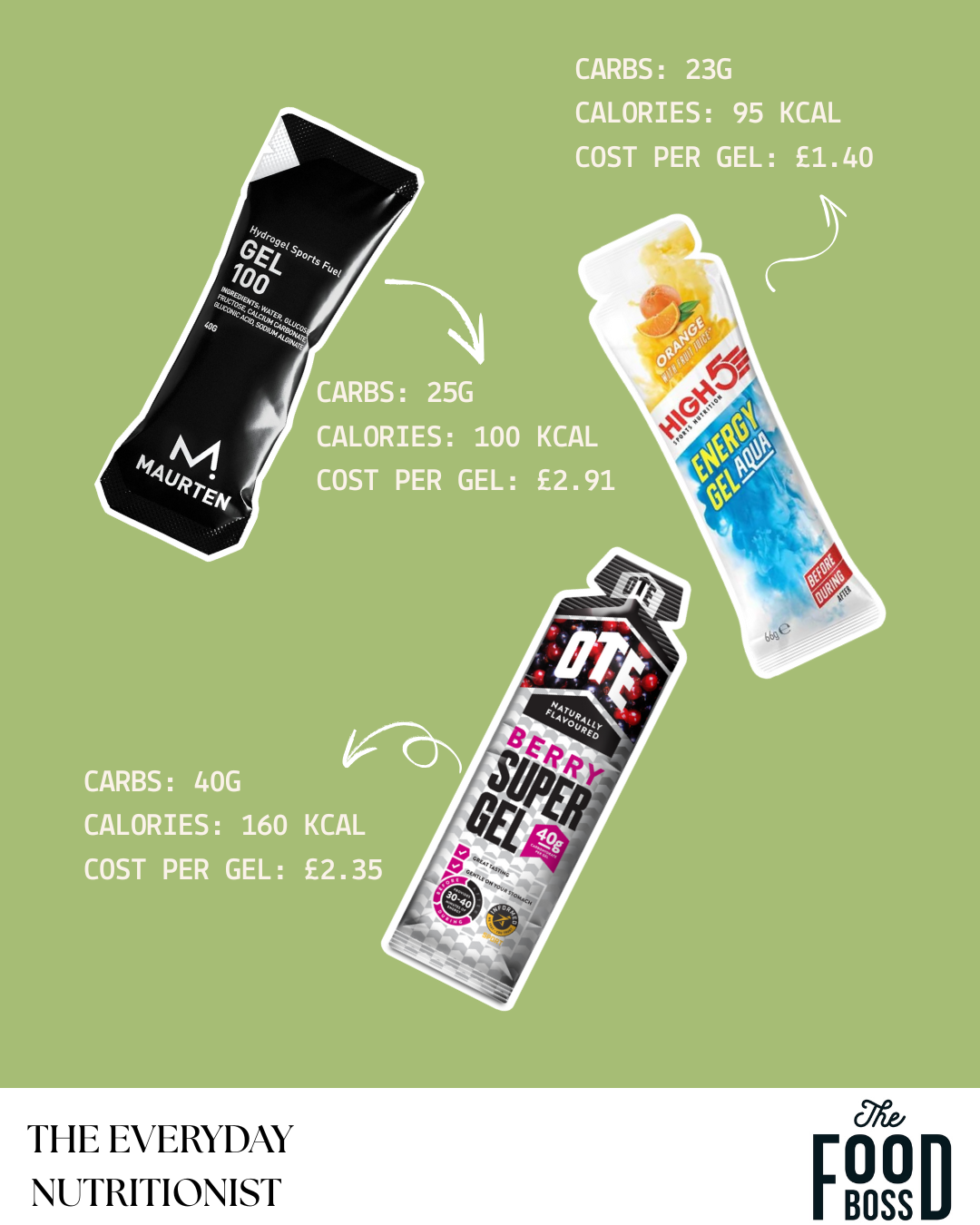
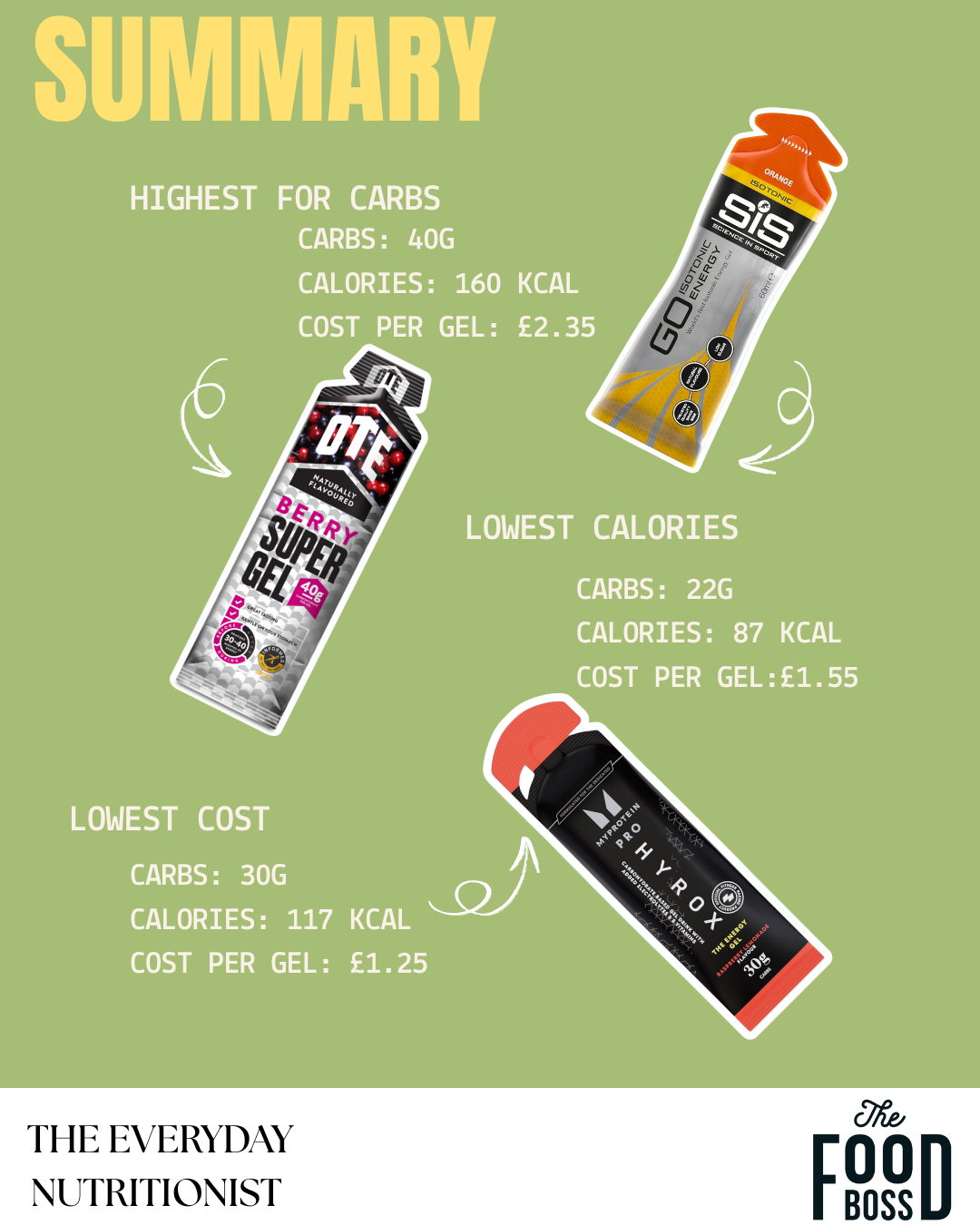
Here’s a quick comparison to help you make your choice.

#41 KETONE SUPPLEMENTS

By Sunday Shutdown Series, Supplements No Comments

These are doing the rounds again. Promoted by celebrities and influencers as a miracle cure when it comes to weight loss. Time to set the record straight.

What are they?

Ketone supplements tell you they will put your body into ketosis without you having to restrict carbohydrate intake to get there. You ingest the supplement and they provide the ketone bodies rather than your body actually producing them. (As an FYI – ketones are produced by your body to use as energy when it is in the absence of carbohydrates. The body’s preferred method of energy is carbs, when you don’t have them it has to convert fat into ketones to then use them for energy instead).

I’ve covered the keto diet itself in sundayshutdown40 so check that out for further explanation. And the same principle really applies here. The ketones don’t make you lose body fat. You lose body fat because you are in an calorie deficit. If you consume these ketones and don’t adopt a calorie deficit you will not lose weight and there are no scientific studies to demonstrate this not to be the case.

Ketone supplements are expensive. One brand is retailing at £95 for 20 servings with a recommendation of 2 per day. That’s around £300 a month. They not only claim to make you lose fat but also give you extra energy and clearer thinking and put you into ketosis in 1 hour.

Claims

They also claim that to burn body fat you first have to burn through all the carbs and then all the protein within your body. If that was the case you’d have nothing left, no muscles, no bones just a ball of fat. Basic biology 101.

To top it off they apparently rapidly repair DNA, support healthy immune function and elevate essential amino acids. I mean it seems this drink is the be all and end all to living your best ever life with no challenges. No wonder vulnerable women (and probably men) are spending their hard earned cash for false promises that will leave them feeling worse off than they were before.

There are no scientific research papers showing any of this. Why? Firstly because it’s bloody difficult to measure any of these functions and secondly you’d be hard pressed to conduct a study demonstrating these and being able to state it was the supplement causing the effect. I mean if there was a drink that did all of this surely it would be promoted by the worlds leading health authorities, wouldn’t you think?

To conclude…

…these supplements are advised to be taken in conjunction with a calorie controlled diet and for the best results to reduce your carbohydrate intake. I’ll let you in to a little secret, you will lose body weight by doing these things without the supplement.

#34 Mushroom supplements

By Sunday Shutdown Series, Supplements No Comments

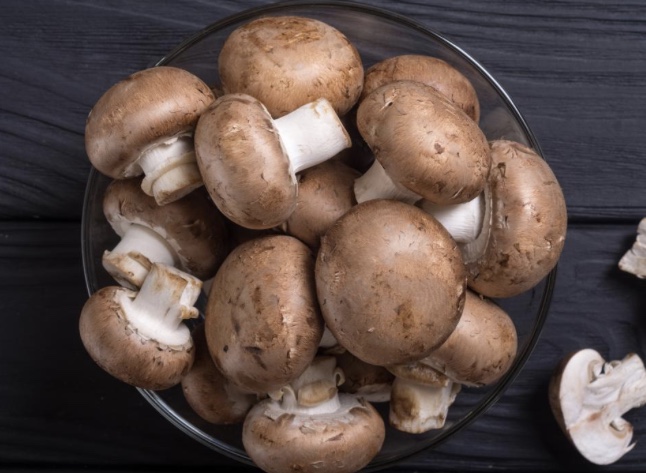
SUNDAY SHUTDOWN #34 MUSHROOM SUPPLEMENTS have hit the headlines and I’ve been asked about them a few times recently. Last year, there was even a mushroom latte released from a London coffee chain claiming to improve immunity. I mean please.

There is no doubt that mushrooms themselves have great dietary properties, they are a brilliant food, low in calories, a source of fibre and a plant. Something the majority of us should be including more of in our diets.

The back story

Mushrooms have been used in traditional herbal medicine for centuries. And that’s about as far as it goes. Herbal medicine, which isn’t based on science but moreso on the natural elements of plants and traditions doesn’t have much if any clinical evidence to support its claims. One of the main issues is that many herbal remedies aren’t regulated, you don’t need a licence to sell or produce them yet some can have the same side effects as regulated drugs and medicines. But you never hear those stories, do you? Just about the miracle cures. Would you buy conventional medicine from Jane who lives down the road rather than your pharmacist or doctor?

Claims include supporting the immune system, enhancing mood, being anti-aging, increasing endurance and more scarily helping to fight cancer growth.

Supplements

Supplement forms are available as powders, tablets, broths, teas, coffee and even shower gels. Yet there is no evidence to supports any of these claims being true in humans. The majority of evidence for immune support exists in rodents where high doses have been used. You cannot compare injecting mushroom supplements into mice with drinking a herbal tea or orally taking a capsule.

Any effect you see is likely to be a placebo, which if that helps your symptoms then great. But also think about if you made any other changes at the same time you started taking these and could that have been the reason you feel better?

#32 Collagen

By Sunday Shutdown Series, Supplements No Comments

SUNDAY SHUTDOWN #32 Collagen

Collagen supplements are relatively new to the market and claims about health include maintaining a healthy gut, glowing skin, improved mood as well as promoting healthy hair, nails and skin. It comes in the form of tablets, drinks, topical creams, bars and powders.

With our skin starting to age from our mid 20’s onwards, many are actively freaking out about lines and wrinkles and will do anything to stop it.

Get the basics right first

Before you even think about a supplement, it’s worth asking whether you’ve nailed the fundamentals, because no amount of collagen powder will out-perform these:

  • A proper sleep routine (this is when your skin, muscles, brain repair themselves)
  • Daily sunscreen, all weathers
  • Regular exercise
  • Staying hydrated which means drinking water regularly and taking an honest look at your alcohol consumption
  • Plenty of fruit and vegetables
  • Adequate daily protein intake

Collagen isn’t a bandaid. If your diet, sleep and sun protection aren’t sorted, adding a collagen supplement on top is like putting a plaster over a leak instead of fixing the pipe.

Not all collagen is the same

There are actually several types of collagen in the body, but the two you’ll see most in supplements are Type I and Type II. Type I is the most abundant in the body and is linked to skin, hair, nails and bone. Type II is found mainly in cartilage and is the one more associated with joint health.

This matters when you’re choosing a product: marine collagen is Type I only, so it’s marketed mostly around skin, hair and nails. Bovine collagen contains both Type I and Type II, so it’s the one you’ll more often see marketed for joint support as well as skin.

What does the newest research say?

It’s worth updating this since I first wrote it, because the evidence base has actually moved on. And whilst there is still an abundant amount of research carried out in a lab setting there is some decent human data from the real world too.

A 2025 umbrella review pooled findings from 16 systematic reviews covering 113 randomised controlled trials. There were almost 8,000 participants looking at collagen supplementation across skin, joint and other health outcomes. It found high-certainty improvements in skin elasticity and hydration. Further to this meaningful reductions in osteoarthritis pain and stiffness scores were seen with the benefits appearing to build the longer supplementation continued. It’s worth noting the review also flagged that skin roughness and wrinkle depth specifically didn’t show a significant improvement, so the story isn’t “collagen fixes wrinkles,” it’s more “collagen may help with hydration and elasticity.” Cardiometabolic outcomes (like cholesterol, blood sugar and blood pressure) were mixed and didn’t show consistent benefit.

It’s also worth flagging that most of the individual reviews included were rated low to critically low quality by the researchers’ own quality assessment, so the certainty of these findings, while improved since 2019, still comes with some caveats.

Whilst on the topic of collagen and the fact it is massively hyped up in relation to skincare I would recommend not only looking at your nutrition first but also your skincare routine, how much product you are using on your face and investing in some guided advice from a reputable professional. In the UK Anjali Mahto is my go to.

My take as a nutritionist…

Where does this leave us? If you’re already sleeping well, wearing sunscreen daily, moving your body regularly, drinking enough water, eating plenty of fruit and veg and getting enough protein in your diet, then a collagen supplement might be worth considering. In particular for skin hydration/elasticity or joint support. But it’s exactly that: an addition, not a substitute. If the basics aren’t in place, save your money and start there first.

We also currently have no information on dose – so the best bet is go with what’s advised on the product you are using.

And what am I using?

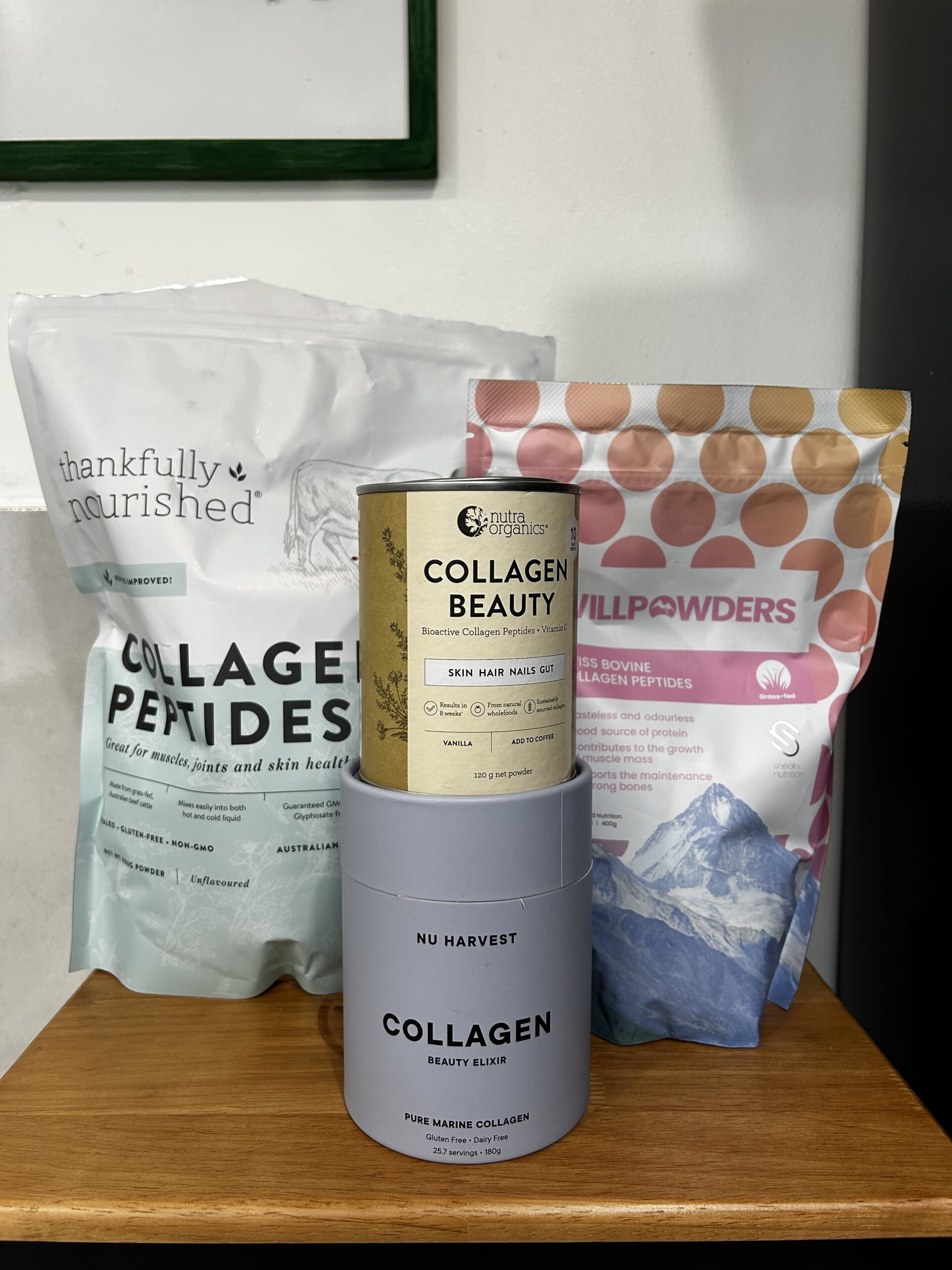
In Australia I’m currently using bovine collagen peptides from Thankfully Nourished. For a marine collagen which might be better suited to those on a vegetarian diet then go with Nu Harvest. They also do creatine too if you need to stock up.

In the UK VitaBright have a really decent product.

In terms of how to use it – dissolve in a drink, smoothie or mix with yoghurt are my go to options.

Also none of the above recommendations are paid or endorsed they are just my own preference. Always try and choose a product that has no added fillers or extra ingredients. More ingredients, doesn’t always mean better. Bovine have both type I and II collagen and marine will only have type I.

And remember – there will always be someone trying to pray on your own insecurities and make money. So if it seems to good to be true, then it probably is. Use your own critical mind and stay curious.

Plant drinks. Is yours fortified with iodine?

By Plant based, Supplements, Vegan, Vitamins No Comments

Did you know that as humans our main source of iodine comes from cows milk. And that organic cows milk actually has a lower iodine concentration by around a third. Especially important throughout pregnancy for foetal brain development but also for the general population too. So when we make the switch to a plant based alternative, that’s one micronutrient we are actively removing from our diet. A lot of the time unknowingly.

Some brands will add iodine in, but even some of the most well-known don’t. This isn’t law in the UK so it’s completely their decision if they want to add it in or not. Cost comes to mind?
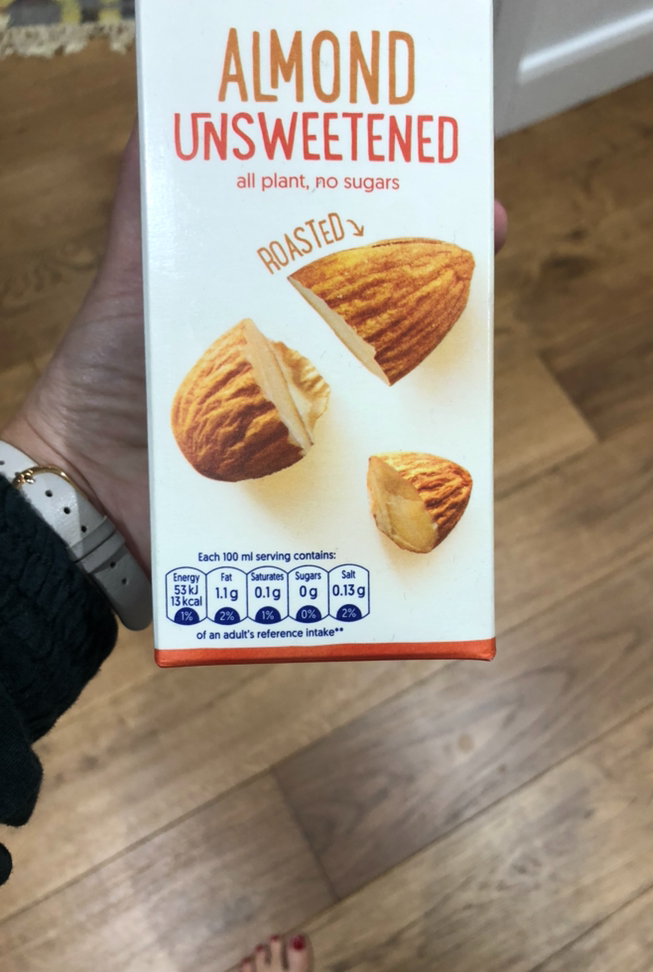
Marksandspencer and Oatly both add iodine to their standard plant milks, and Alpro do to their soy original only. Double check the label for piece of mind. Does it contain iodine? It will say on the nutrition panel. If it doesn’t then look for another one.

Supplements

If you are adopting a vegan diet then unless you are consuming fortified drinks or other fortified foods you may need a supplement. It should be in the form of potassium iodide or potassium iodate. The UK adult recommendation is 150mcg/day and your supplement should not exceed this amount.

Food sources

Seaweed is also good source, so sushi or those seaweed sheets you can get for snacks are great. However, they don’t need to be consumed every single day as their iodine content varies considerably. There are also some seaweed/kelp iodine supplements on the market however it is not advisable to take these due to the point mentioned above.

Other food sources are white fish like cod or haddock and eggs. Or if you can consume a mixture of dairy and plant drinks that’s a good option too.

If in any doubt a blood test from your GP will be able to detect your current levels

Further reading

And if you would like some further reading, there was a review published in 2017 by Sarah Bath et al “Iodine concentration of milk-alternative drinks available in the UK in comparison to cows’ milk”

It’s just useful to remember this will be ever changing as manufacturers change their recipes so best to check the label.

Why I’m not eating my placenta

By Pregnancy, Supplements, Vitamins No Comments

This may be too much information for some. But I felt it important to write, and also sum up the evidence on this topic.⠀

What is it?

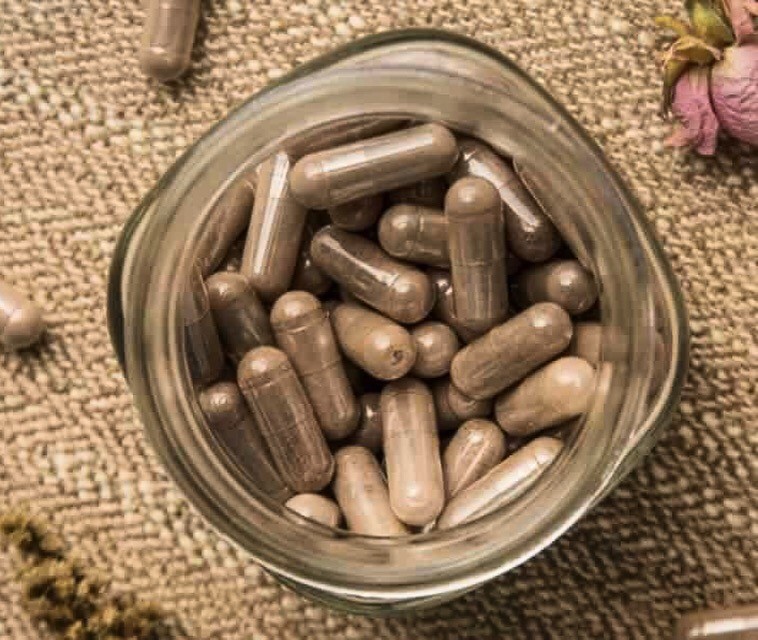
Making your placenta into pills seems somewhat trend at the moment. It’s a bit like celery juice and turmeric and their unproven health benefits. Consumption of the human placenta post birth has reportedly been linked to better mood, enhanced recovery and an increase in milk production. With anything this new, we simply haven’t had the time yet to research any claimed benefits or on the other hand any harmful effects to human health. The most common form for consumption is through the placenta being dehydrated and turned into pills, just like a supplement.⠀

Yes, other mammals consume theirs. We are not other mammals.⠀
Yes, it contains lots of nutrients which have kept your baby alive for 10 months. That doesn’t mean we should eat it.⠀

What does the evidence say?

It is important to note the growing body of evidence in this area. A study conducted by Young et al. in 2016 looked at 28 placenta samples to see if, after processing, the 17 hormones found within it were still present. 16 of them were. However the effect they would have on the human body after consumption was not investigated.⠀

A review of the literature conducted in 2018 by Farr. A. et al found that the majority of studies in humans are anecdotal and based on self-reported surveys. This translates to personal experiences and has a load of bias associated with it because it can’t account for anything else that happened whilst consuming the pills. Such as, you are no longer pregnant and may feel better for that fact alone. Your diet may have changed since baby arrived, you may be breastfeeding, you may not. This review also found that no nutrients or hormones were retained in amounts that would be beneficial for mothers after birth.⠀

As with anything there are also risks, including group B streptococcus being passed on to baby if the placenta is infected and remains undetected which has been reported in one case in the USA.

In summary

Whilst there is no doubt interest in this area and ongoing research, for me, these anecdotal reports are not enough. And the fact we can obtain optimum nutrition through our own diet with a few proven supplements is.

Zinc & colds

By Supplements, Vitamins No Comments
Quite a timely post given I’m suffering this week. I have wanted to post on this for a long time, so here goes…⠀

Previous thoughts…

It’s long been thought vitamin C is the cure for the common cold or at least something that will help the symptoms. A Cochrane systematic review published in 2013 looked at 29 studies on developing a cold while taking a vitamin C supplement regularly. It was found that this is only really beneficial for those participating in high level sports but not the average Joe like you and me. There was an overall failure to see a reduction in the incidence of common colds in the general population and supplementation only reduced the symptoms of the cold by 8%. When this has been tested again these results were not replicated.⠀

Research on zinc 


Zinc however, well there is some promising research on this micronutrient.⠀

A meta-analysis conducted by Rondanelli et al (2018) where they looked at 82 research studies found that zinc supplementation can reduce the duration of the common cold by 33% however it must be taken within the first 24 hours of the onset of symptoms. And as for the dosage well that’s a little bit tougher to decipher and there are no formal recommendations. This is also where it becomes tricky because you may not know exactly when that 24 hour period starts. In another review conducted by Harri Hemila in 2011 it was found that a daily supplement of more the 75mg/day was also associated with a reduction in duration but any less and the results weren’t seen.⠀

It’s also important to note these studies and another systematic review by Singh and Das in 2015 reported a reduction of duration but not how bad the symptoms are. The common cold on average lasts around 10 days so if you can get it early you could reduce its length by about 3 of those days.⠀

And finally it seems zinc acetate lozenges are best for the above. The challenge is finding one with an adequate dosage, which to be fair is difficult given there is uncertainty around how much will be of benefit. Many zinc lozenges come with added vitamin C which is totally fine, check the mg content per lozenge and aim for around 75mg/day for the duration of the cold. This is likely to be more than what’s in one or two lozenges. Do be mindful there could be side effects including a bad taste and nausea and if you experience these then dosage should be dropped or stopped.

In summary…

You cannot avoid it completely, if you catch the bug you’ve gotta ride it out, just perhaps not for as long.